In the biopharmaceutical industry, cell lines serve as the core **production vehicles** for large-scale drug manufacturing. The ultimate goal of cell line development is never merely to pursue high expression efficiency, but to develop cell lines with **high stability**. Only high stability can break down the barriers between laboratory research and industrial production, meet the mandatory requirements of regulatory approval, support long-term project profitability, and ultimately realize the industrialized, compliant, and sustainable commercial production of cell lines. High stability is not an "additional advantage" of cell lines, but a core link connecting industrial implementation, regulatory compliance, and commercial sustainability, which directly determines the success or failure and long-term value of biopharmaceutical projects.
The commercial production of biopharmaceuticals is essentially a large-scale transformation "from laboratory to production line" and a value realization "from R&D to profitability", all of which are premised on the high stability of cell lines. A cell line lacking stability, even if it exhibits excellent expression capacity in the laboratory, can only become a "laboratory sample"—it cannot withstand the long-term challenges of industrial production or the stringent standards of regulatory approval, let alone support the continuous operation of commercial projects. On the contrary,
highly stable cell lines can address core pain points in production, compliance, and cost, acting as a bridge between R&D and commercialization, and enabling true industrial mass production, compliant launch, and sustainable profitability of cell lines.
High Stability Lays the Foundation for Industrialized Production of Cell Lines
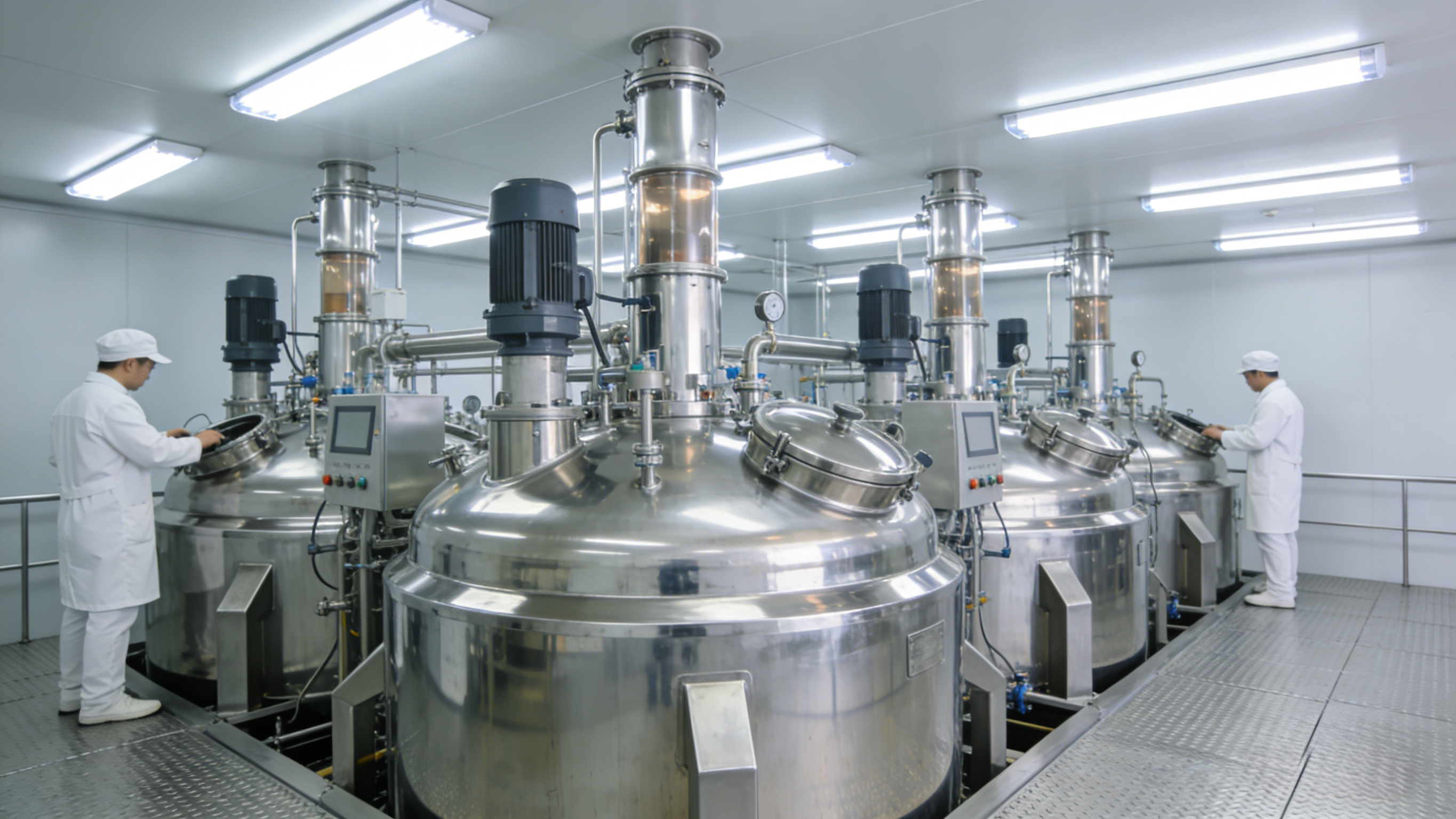
The core demands of industrial production are **stability, efficiency, reproducibility, and scalability**, and the
high stability of cell lines is the key support for meeting these demands, serving as the "passport" for cell lines to move from the laboratory to the production line. In industrial production, cell lines undergo multiple processes, including seed bank construction, dozens of generations of subculture and amplification, large-scale bioreactor culture, and multi-batch continuous production. They also endure multiple stresses such as fluctuations in culture conditions, nutrient depletion, and accumulation of metabolic byproducts. In this context, high stability becomes critical for cell lines to withstand these challenges.
Highly stable cell lines consistently maintain stable cell viability, proliferation rate, and target protein expression levels during long-term subculture and large-scale cultivation. This ensures that each production batch follows unified standards and achieves inter-batch consistency. Stable target protein expression and cellular physiological status prevent production interruptions and batch scrappage caused by sudden drops in expression or cell dysfunction, enabling continuous and efficient operation of production lines and true large-scale mass production.
In contrast, cell lines with insufficient stability often suffer from issues such as loss of gene integration, silencing of target genes, and fluctuating expression levels during subculture. Their initially high expression levels cannot be sustained, and cell viability decline or abnormal apoptosis may even occur, leading to uncontrolled production processes, non-standardizable production lines, and ultimately failed industrial implementation. Evidently, high stability is a prerequisite for the industrial production of cell lines. Without it, large-scale production is impossible, let alone the realization of commercial value.
High Stability Upholds the Bottom Line for Compliant Launch of Cell Lines

The commercialization of biopharmaceutical products must cross the "mandatory threshold" of regulatory approval, and high stability of cell lines is the core prerequisite for meeting regulatory requirements and achieving compliant launch. Drug regulatory authorities worldwide (including China's NMPA, the US FDA, and the EU's EMA) explicitly require companies to provide comprehensive cell line stability data in new drug applications, which serves as the core basis for judging whether a cell line can support industrial production and ensure product quality.
Highly stable cell lines stably maintain gene integration status, target protein expression levels, and product quality attributes. Even under simulated industrial subculture conditions (e.g., ≥60 passages), they retain consistent expression characteristics and quality levels, thus satisfying stringent regulatory requirements for cell line passage stability, genetic stability, and product quality stability. Stable critical quality attributes such as glycosylation modification and aggregate content, as well as continuously controllable expression levels, provide solid data support for regulatory approval, ensuring smooth product clearance and compliant market launch.
If a cell line lacks stability and fails to provide qualified stability data, even if the product meets quality standards at the laboratory stage, it will be deemed unable to fulfill the quality control requirements for industrial production, fail regulatory approval, and ultimately miss the market opportunity—with all previous R&D investments wasted. Therefore, high stability is the bottom line for the compliant launch of cell lines. Only with high stability can cell lines comply with regulatory constraints, truly enter the market, and take the first step toward commercialization.
High Stability Supports the Sustainable Commercial Value of Cell Lines
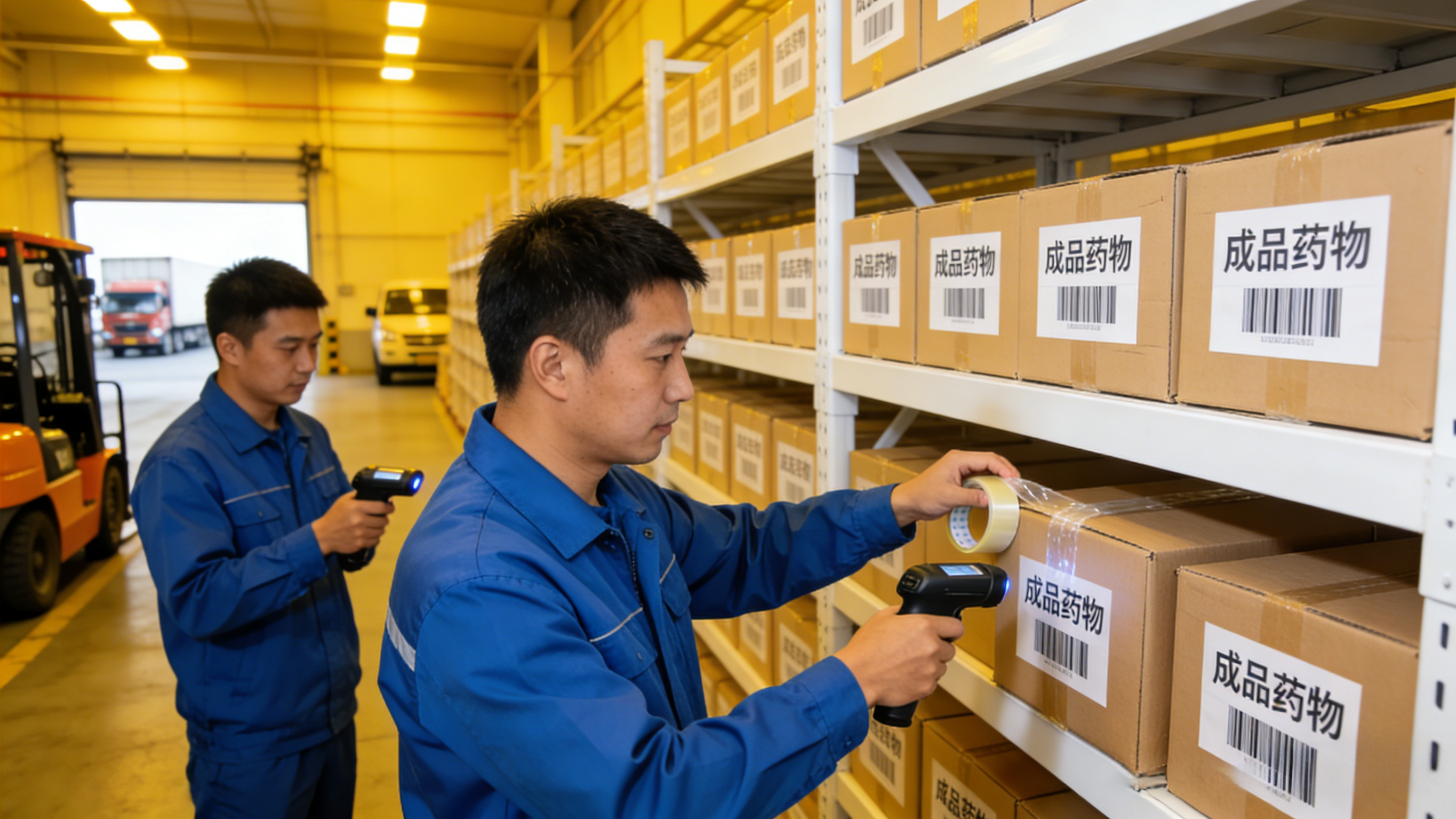
The commercialization of biopharmaceutical projects requires not only industrial mass production and compliant market launch but also long-term sustainable profitability, for which the high stability of cell lines is the core guarantee. Industrial biopharmaceutical production incurs extremely high costs, covering cell line development, culture medium procurement, bioreactor operation, labor input, and more. High stability effectively controls costs, reduces risks, and enables long-term sustainable project profitability.
From a cost perspective, highly stable cell lines reduce batch scrappage rates, avoid production rework and process adjustments caused by cell instability, and lower costs related to culture media, bioreactor operation, and labor. Meanwhile, such cell lines eliminate the need for frequent clone screening and process validation, shortening development cycles, reducing upfront R&D investment, and accelerating project profitability. For long-term development, highly stable cell lines support multi-batch continuous production, ensure sustained product supply, maintain corporate market reputation and share, and enable continuous release of commercial value.
Furthermore, highly stable cell lines adapt to diverse production scenarios with stronger process compatibility, allowing flexible capacity adjustment in response to changing market demands and further enhancing project risk resistance and sustainability. Conversely, cell lines with poor stability lead to persistent production risks and cost overruns. Even if mass production is briefly achieved, long-term stable supply is unsustainable, and sustainable commercial value cannot be realized.
Conclusion: High Stability Empowers the Entire Commercial Chain of Cell Lines
In summary, high stability is the core prerequisite and key support for cell lines to achieve industrialized, compliant, and sustainable commercial production. It lays the foundation for industrial production, enabling cell lines to transition from laboratories to production lines for large-scale manufacturing. It upholds the bottom line for compliant launch, ensuring cell lines meet regulatory requirements and successfully enter the market. It sustains long-term commercial value, driving continuous profitability and the long-term development of enterprises.
Amid intensifying competition in the biopharmaceutical industry, the high stability of cell lines has become a vital component of corporate core competitiveness. Ignoring stability means abandoning the potential for industrial implementation, compliant market launch, and sustainable profitability. Therefore, high stability must be set as a core indicator throughout the entire cell line development process—from clone screening and gene integration to passage validation and process optimization. Strict control at every stage will foster stable and efficient cell lines, making them the core driving force for biopharmaceutical commercial production and promoting high-quality development of the industry.